Puppy Embroidery Design: A Designer’s Practical Review
As an embroidery designer who has spent years digitizing patterns and testing them on everything from stiff denim to delicate baby knits, I approach every new machine embroidery design with a critical eye. It is not just about whether the image looks cute on a screen; it is about how those stitches behave under the needle, how they hold up after washing, and whether they add genuine value to a finished product. Recently, I evaluated the Puppy design, a charming addition to the Baby Animals category, to determine if it meets the rigorous standards required for professional craft business use.
First Impressions and Visual Personality
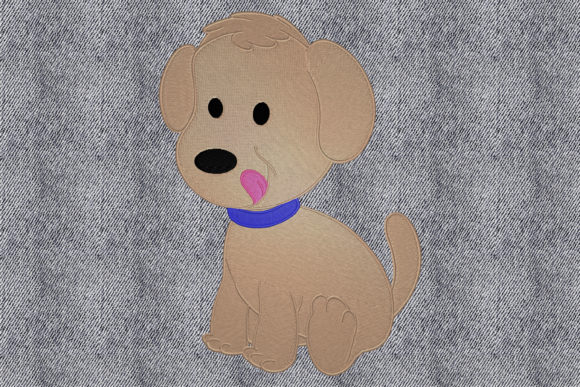
The first thing that strikes you about the Puppy embroidery design is its approachable warmth. In the world of Baby Animals, there is a fine line between overly complex detailing that causes stitching issues and simplistic shapes that lack character. This design seems to strike a balance, offering enough visual personality to be recognizable and endearing without relying on microscopic details that might get lost in the fabric texture. The layout feels organic, suggesting a playful yet calm demeanor that fits perfectly into the nursery decor or personalized gift market.
From a design perspective, the silhouette is crucial. A strong outline ensures that the subject reads clearly even from a distance, which is vital for items like tote bags or sweatshirts where the embroidery might be viewed from across a room. The mood created here is one of comfort and joy, making it an ideal candidate for products intended to evoke emotional connections, such as baby showers, holiday gifts, or boutique merchandise aimed at pet lovers.
Real-World Application: The Custom Sweatshirt Test
To truly understand the potential of this embroidery project, I imagined applying it to a real-life scenario: a custom order for a local boutique selling handmade baby items. The client wanted a soft, heather-gray sweatshirt featuring a playful animal motif. Here, the Puppy design shines. Its scale appears appropriate for the chest area of a child’s garment or the sleeve of an adult’s hoodie. When visualizing the stitch path, I considered how the satin stitch borders would interact with the fleece texture. A well-digitized puppy design should have sufficient underlay to prevent the fabric from peeking through, ensuring a solid, professional look.
Beyond apparel, this design translates beautifully to home goods. Imagine it centered on a linen pillow cover or stitched onto a kitchen towel. In these contexts, the design acts as a focal point. For an Etsy seller, having a versatile design like this allows for product diversification. You are not limited to one niche; you can offer matching sets, such as a bib and a burp cloth, creating a cohesive brand aesthetic that encourages larger cart sizes.
Navigating Fabric and Hoop Constraints
While the aesthetic appeal is strong, practical execution requires caution. Not every fabric behaves the same way. If you are planning to use this digital embroidery file on stretchy materials like jersey knits or thin cottons, the choice of stabilizer becomes paramount. A cut-away stabilizer is often recommended for garments that will undergo frequent washing and wearing, as it provides lasting support and prevents the stitches from puckering the fabric over time.
Additionally, consider the hoop size. While the description notes that the design comes in multiple formats, you must verify that the specific size you choose fits your machine’s capabilities. Stitching a large design on a small hoop requires re-hooping, which introduces the risk of alignment errors. For curved surfaces like caps, ensure the design’s width does not exceed the curvature of the front panel, or the edges may distort. Textured fabrics, such as terry cloth towels, may require a water-soluble topping to keep the stitches from sinking into the loops, preserving the clarity of the puppy’s features.
Stitch Density and Detail Clarity
One of the most common pitfalls in commercial embroidery is excessive stitch density. Too many stitches in a small area can cause thread breaks, needle heating, and fabric distortion. When reviewing the Puppy design, I looked for efficient use of fill stitch and running stitch elements. A good design uses density strategically—denser in the main body for coverage, and lighter in transitional areas to maintain flexibility. If the design includes tiny details like eyes or noses, check if they are rendered with satin stitches or simple running stitches. Satin stitches offer a glossy, premium finish but require precise tension settings, while running stitches are more forgiving on difficult fabrics.
Thread color selection also plays a massive role in the final outcome. High contrast between the thread and the fabric enhances visibility, making the design pop. However, for a subtle, high-end look, tonal variations can add depth. I recommend testing the design in black and white mockups first. If the shape holds its integrity without color, the digitizing is sound. If it looks muddy, you may need to adjust your thread palette or simplify the background elements.
Commercial Viability and Brand Consistency
For small shop owners and creative entrepreneurs, the ultimate question is: will this sell? The Puppy design fits seamlessly into the current trend of whimsical, handcrafted aesthetics. It appeals to a broad demographic, from new parents to pet enthusiasts. Using this design in your printable mockup portfolios can help visualize its potential on various products, aiding in marketing efforts before you even stitch a single thread.
However, professionalism is key. Ensure that the embroidery file format you select is compatible with your specific machine software. Common formats include PES, DST, and JEF, but you must confirm which ones are included in the package. Furthermore, always review the licensing terms. Most designers allow you to sell finished physical items, such as embroidered shirts or patches, but restrict the resale of the digital file itself. Respecting these boundaries protects your reputation and supports the design community.
Final Verdict and Designer Notes
In conclusion, the Puppy embroidery design offers a solid foundation for a variety of handmade products. Its strength lies in its versatility and emotional appeal. To get the best results, I advise the following steps:
- Test on scrap fabric: Always run a test stitch-out on the same material you plan to use for the final product to check for tension and registration issues.
- Check thread contrast: Ensure your thread colors stand out against the fabric background for maximum visual impact.
- Use proper stabilizer: Match the stabilizer type to the fabric weight and stretch to prevent puckering.
- Verify file compatibility: Confirm that the provided formats work with your embroidery machine before purchasing.
- Consider the end use: Think about how the item will be washed and worn, and adjust your stitching technique accordingly.
By approaching this design with a thoughtful, technical mindset, you can transform a simple digital asset into a high-value finished product that delights customers and strengthens your brand. Whether you are creating a personalized gift for a friend or stocking your online store with custom apparel, the Puppy design has the potential to be a standout element in your creative toolkit.