Review: Baby Elephant Sitting Bean Stitch Design
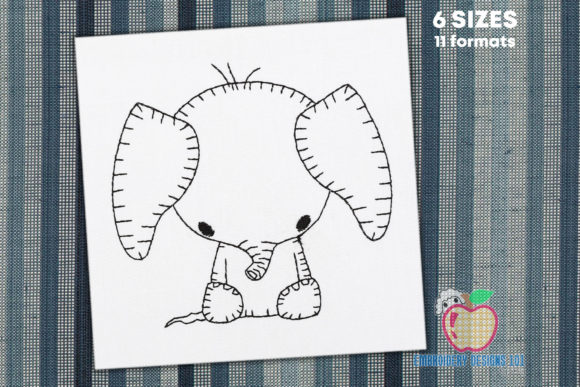
As a designer who has spent years digitizing and testing machine embroidery patterns, I have learned that simplicity is often the hardest quality to achieve. When I first loaded the Baby Elephant Sitting Bean Stitch into my editing software, I was immediately struck by its minimalist charm. In a market saturated with dense, heavy fills and complex satin columns, this design takes a different approach. It relies on clean, running line stitches—specifically utilizing Single and Triple Run techniques—to create a recognizable and endearing silhouette. For embroidery professionals and hobbyists alike, understanding how such a lightweight design performs in real-world applications is crucial before committing it to a client’s garment or a shop’s inventory.
First Impressions and Visual Personality
The immediate mood of this Baby Animals themed design is playful yet sophisticated. Because it avoids heavy fill stitches, the elephant does not look like a bulky patch sitting on top of the fabric. Instead, it feels integrated, almost like a hand-drawn sketch brought to life with thread. This visual lightness is a significant advantage for modern aesthetics, where customers often prefer subtle branding or delicate decorative elements over loud, traditional embroidery.
The layout is compact and balanced, making it versatile for various placements. The use of bean stitches and running lines means the design relies heavily on the contrast between the thread and the fabric. This makes it an excellent candidate for projects where you want the texture of the material to remain visible. It is not just an embroidery file; it is a design asset that respects the substrate it is stitched on.
Real-World Application: The Custom Tote Bag Test
To truly evaluate the Baby Elephant Sitting Bean Stitch, I decided to test it on a project that demands both durability and aesthetic appeal: a custom canvas tote bag. Canvas is a textured, medium-weight fabric that can sometimes chew up delicate designs if the digitizing is poor. However, because this design utilizes running stitch techniques rather than dense satin or fill stitches, it performed exceptionally well.
The stitching process was remarkably fast. As noted in the description, these types of line art designs are often stitched in minutes. This efficiency is a major benefit for Etsy sellers and small shop product creators who need to manage production time carefully. On the tote, the elephant sat cleanly without causing any puckering, provided I used a standard cut-away stabilizer. The result was a chic, understated look that appealed to a broader demographic than a typical cartoonish animal might. It felt less like a child’s item and more like a boutique accessory.
Versatility Across Products and Fabrics
Beyond tote bags, this design shines in several other categories. For sweatshirt embroidery, the lightweight nature of the bean stitch prevents the "cardboard effect" that often plagues large designs on fleece or cotton blends. The fabric remains soft and drapable, which is a key selling point for custom apparel. Similarly, for baby embroidery projects like onesies or burp cloths, the low stitch count means less irritation against sensitive skin. Parents appreciate gifts that are not only cute but also comfortable.
I also tested the design on a structured cap. Here, caution is required. While the design is small enough to fit on most front panels, the curved surface can distort linear elements. I found that using a firmer stabilizer and ensuring the grain of the design aligned correctly with the cap’s center seam was essential. When done correctly, it creates a charming, whimsical accent that stands out without overwhelming the hat’s structure.
Technical Considerations for Designers
While the Baby Elephant Sitting Bean Stitch is user-friendly, it is not without its technical nuances. Because it relies on running lines and bean stitches, it lacks the coverage of a satin stitch or fill stitch. This means it is not ideal for hiding imperfections in the fabric. If you are stitching on a textured towel or a loosely woven linen, the background fabric will show through the design. This is not necessarily a flaw—it adds to the rustic, handmade charm—but it is something to consider when presenting a printable mockup to a client.
Thread color contrast is critical. On dark fabrics, a light-colored thread will pop beautifully, but on medium-toned fabrics, the design might get lost. I recommend testing the design on scrap fabric in both light and dark variations before starting a final embroidery project. Additionally, because the design is composed of single and triple runs, needle selection matters. A sharp needle appropriate for the fabric type will ensure clean entry and exit points, preventing snags.
Commercial Value and Branding
For craft business owners, this design offers high perceived value with low production cost. The speed of stitching allows for higher throughput, while the artistic style supports a premium pricing strategy. It fits seamlessly into collections focused on nursery decor, holiday embroidery gifts, or eco-friendly branding. Using this as part of a larger suite of design assets can help establish a consistent brand identity that is recognizable for its clean, modern lines.
However, always verify the licensing terms. While many digital embroidery files allow for commercial use on finished physical products, restrictions may apply to reselling the digital file itself. Confirming these details protects your commercial embroidery operations and ensures you are respecting the creator’s intellectual property.
Final Verdict and Practical Tips
The Baby Elephant Sitting Bean Stitch is a standout choice for designers looking to add a touch of whimsy without the bulk. It is particularly effective for:
- Personalized gifts where subtlety is preferred.
- Embroidered patch creations using felt or twill backings.
- Tote bag design elements that require quick turnaround.
- Baby clothes where softness and comfort are priorities.
Before launching this into your production line, remember to check the specific hoop size requirements and ensure your machine can handle the file format provided. Always test on a similar fabric to your final product to gauge tension and stabilizer needs. With proper preparation, this design becomes a reliable tool in your arsenal, helping you create finished product items that customers love for their quality and charm.
In conclusion, this design proves that less is often more. By focusing on clean lines and efficient stitching, the Baby Elephant Sitting Bean Stitch delivers a professional, polished look that enhances rather than overwhelms the base material. It is a smart addition to any library of machine embroidery design resources for the modern maker.