Yoga Embroidery Design: A Designer’s Practical Review
As a designer who spends more time staring at stitch maps than actual fabric, I have learned that not every machine embroidery design is created equal. Some look stunning on a screen but turn into a tangled mess of thread breaks and puckering on the hoop. Others are workhorses—reliable, clean, and versatile enough to carry a small business through a busy season. When I first loaded the Yoga design into my editing software, I was looking for that second category. I wanted to know if this piece could hold its own in real-world applications, from boutique sweatshirts to delicate baby items.
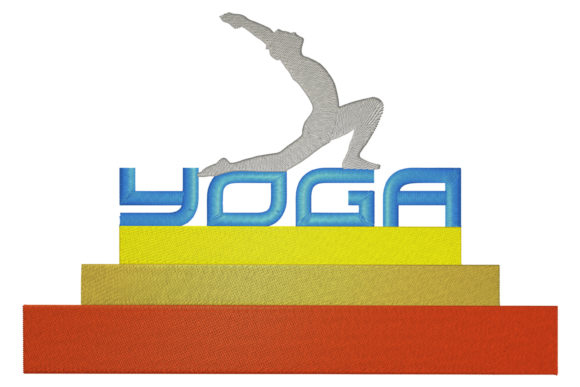
The first impression of the Yoga motif is one of calm precision. In the wellness space, designs often lean too heavily into clichés or become so abstract that they lose their appeal to the average consumer. This design strikes a balance. The lines are fluid, suggesting movement and breath without relying on excessive detail that might compromise stitching clarity. For an Etsy seller or a craft business owner, this visual simplicity is a major asset. It reads well from a distance, which is crucial for apparel, yet retains enough character to feel intentional and high-end up close.
Real-World Application: The Tote Bag Test
To truly evaluate a design, you have to imagine it on a product. I recently worked on a custom order for a local yoga studio needing branded merchandise. They wanted something subtle for canvas tote bags and heavier cotton aprons. This is where the Yoga design proved its worth. Because the layout is balanced, it sits beautifully on the flat surface of a tote bag without looking like an afterthought.
When stitching on textured fabrics like canvas or linen, stitch density becomes a critical factor. If a design is too dense, the fabric pulls and warps. If it is too sparse, the background fabric shows through unattractively. In my test run on a medium-weight cotton canvas, the Yoga motif handled the texture well. The interplay between what appears to be satin stitch borders and fill stitch interiors provided enough coverage to look professional without creating a stiff, cardboard-like patch on the fabric. For a handmade product intended for daily use, this flexibility is non-negotiable.
Versatility Across Product Lines
One of the strongest arguments for adding this design to your library is its adaptability. As a digital embroidery file, it needs to perform across various garment types. I tested the scalability by resizing it for different projects, keeping in mind the limitations of standard hoop sizes.
- Sweatshirt Embroidery: On fleece or French terry, the design holds up remarkably well. The thicker fabric provides a stable base, allowing the stitches to pop. It works perfectly as a left-chest logo or a larger back piece.
- Baby Embroidery: When scaled down for onesies or burp cloths, the design retains its integrity. However, this requires careful attention to needle size and stabilizer choice to ensure the softness of the garment isn't compromised by heavy stitching.
- Custom Apparel: For t-shirts, particularly those made of thinner jersey knits, the design requires a cut-away stabilizer to prevent distortion. The open areas in the design help reduce weight, making it comfortable for all-day wear.
- Embroidered Patch Creation: The clean edges make this an excellent candidate for merrowed-edge patches. You can stitch it out on twill, cut it out, and sell it as a standalone accessory for jackets or bags.
This versatility means you are not just buying a single-use asset. You are acquiring a core component for a broader Wellness themed collection. Whether you are creating holiday gifts for teachers or building a permanent line for your small shop, the design serves multiple purposes.
Technical Considerations and Stitching Advice
While the design is robust, it is not without its technical demands. Experienced embroiderers know that "plug and play" is a myth. To get the best results with Yoga, you must respect the mechanics of your machine and the properties of your materials.
First, always check the stitch density. While the description notes it is a high-quality design suitable for pillows and sweatshirts, denser areas may require slower stitching speeds to prevent thread breaks. I recommend running a test stitch-out on scrap fabric identical to your final project material. This allows you to adjust tension and verify that the thread colors you have chosen provide sufficient contrast. A monochromatic look can be chic, but if the thread color is too close to the fabric tone, the intricate details of the pose may get lost.
Fabric choice is equally important. On dark fabrics, ensure your underlay stitches are sufficient to prevent the fabric color from peeking through the top stitches. On stretchy fabrics, such as athletic wear, a strong stabilizer is mandatory. The design features curves and potential fine lines; if the fabric shifts during stitching, these details will blur. For curved surfaces like caps, consider using a pre-cut cap frame and ensuring the design is centered correctly to avoid distortion on the seams.
Commercial Value and Brand Consistency
For commercial embroidery professionals and small business owners, the aesthetic consistency of your products builds brand trust. The Yoga design exudes a sense of professionalism. It does not look like a clip-art afterthought; it looks like a custom-designed element. This perception of quality allows you to price your finished product higher. Customers are willing to pay more for items that look meticulously crafted.
Furthermore, the design lends itself well to digital marketing. When creating printable mockups for your online store, the clean lines of the embroidery render clearly in photos. This helps potential buyers visualize the product on themselves or in their homes, increasing conversion rates. Whether you are selling design assets or physical goods, the visual appeal of the stitched outcome directly impacts buyer engagement.
Final Verdict for Makers and Sellers
In conclusion, the Yoga embroidery design is a solid addition to any serious embroiderer’s folder. It bridges the gap between artistic expression and technical reliability. It is not just a pretty picture; it is a functional tool for creating personalized gifts, boutique branding, and everyday wearables.
Before you begin your next project, remember to verify the specific file formats included to ensure compatibility with your machine. Check the licensing terms if you plan to sell the finished items commercially, as rules can vary between designers. But assuming standard commercial use rights, this design offers a low-risk, high-reward opportunity to expand your Wellness category offerings. It respects the fabric, honors the theme, and ultimately, makes the job of the embroiderer easier. And in our line of work, that is the highest compliment a design can receive.