Girl Embroidery Design: A Designer’s Practical Review
As a designer who spends more time staring at stitch maps than actual thread, I have learned that the simplest designs are often the hardest to get right. When I first loaded the Girl machine embroidery design into my software, my initial reaction was one of cautious optimism. The preview showed a clean, minimalist silhouette that promised versatility. In an industry cluttered with overly complex, dense patterns that eat up thread and time, a design that relies on shape and negative space stands out. But does it hold up under the needle? I put this design through its paces to see if it truly delivers on its promise of adding a feminine touch to creative projects.
First Impressions: Simplicity with Purpose
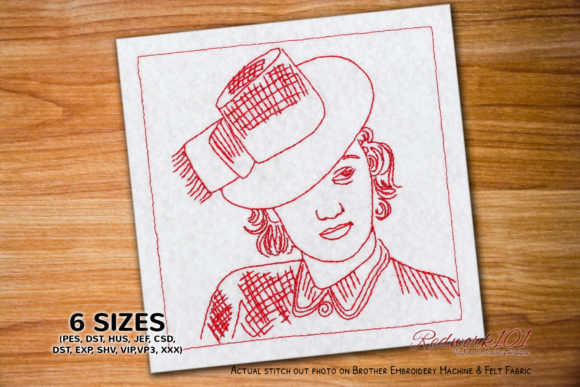
The visual personality of Girl is understated yet distinct. It avoids the trap of trying to be everything to everyone. Instead, it offers a refined aesthetic that feels modern and approachable. For embroidery designers and small business owners, this is crucial. A design that is too trendy might look dated in six months, but a classic, simple motif has longevity. The layout suggests a balance between detail and openness, which is essential for maintaining stitching clarity, especially when working with smaller hoop sizes or textured fabrics.
What strikes me most is the potential for customization. Because the design is not overly saturated with fill stitches, it leaves room for the fabric texture to breathe. This makes it an excellent candidate for various applications, from high-end boutique branding to casual handmade products. It feels less like a generic clipart conversion and more like a thoughtful piece of art intended for textile application.
Real-World Application: The Tote Bag Test
To evaluate how Girl performs in a real-life scenario, I decided to use it for a custom embroidered tote bag. Tote bags are a staple for Etsy sellers and craft fair vendors, but they present unique challenges due to the weave of canvas or cotton materials. I selected a natural-colored cotton canvas, aiming for a neutral, earthy vibe that appeals to the current market trend of sustainable, slow-fashion accessories.
Stitching the design onto the tote was straightforward. The simplicity of the lines meant that registration issues were minimal. I used a standard cut-away stabilizer to ensure the fabric didn’t pucker, which is a common risk with lighter weight canvases. The result was crisp and professional. The design sat comfortably on the front panel without overwhelming the bag’s structure. It transformed a plain utility item into a personalized gift that felt curated and special. This is the kind of finished product that builds customer trust; it looks intentional, not mass-produced.
Versatility Across Product Lines
Beyond tote bags, the versatility of this embroidery file is impressive. I envision this design working beautifully on sweatshirt embroidery, where a larger scale can make a bold statement without becoming heavy or stiff. The open nature of the design prevents the "cardboard effect" that often plagues large fill-stitch areas on fleece or terry cloth. For baby embroidery, such as on onesies or burp cloths, the soft lines offer a gentle, nurturing aesthetic that parents appreciate. It fits seamlessly into nursery decor themes, offering a subtle decorative accent rather than a loud graphic.
For those running a craft business, this design is a valuable asset for seasonal collections. It adapts well to holiday embroidery when paired with appropriate thread colors. Imagine it stitched in deep reds and greens for Christmas, or soft pastels for spring. It also works effectively as an embroidered patch, where the edges can be finished with a satin stitch border for durability and a polished look. This adaptability makes it a smart addition to any library of design assets for commercial embroidery projects.
Technical Considerations and Fabric Choices
While Girl is user-friendly, it is not without its technical nuances. Designers must pay close attention to thread color contrast. On dark fabric, the details might get lost if the thread choice is too subtle. I recommend testing the design in black and white mockups first to ensure the silhouette remains recognizable regardless of the background. When stitching on stretchy fabric, such as jersey knits for t-shirts, using the correct stabilizer is non-negotiable. A tear-away might suffice for stable wovens, but knits require more support to prevent distortion during wear and washing.
Another critical factor is stitch density. Although the design appears simple, you must review the stitch count and density settings in your software. If the density is too high for thin fabric, it can cause puckering or perforation. Conversely, if it is too low, the underlying fabric might show through, compromising the visual appeal. Always test the design on scrap fabric that matches your final project material. This step saves time, thread, and frustration, ensuring that your final product meets professional standards.
Enhancing Brand Value and Customer Engagement
From a business perspective, the quality of your embroidery directly impacts your brand consistency. Using a clean, well-digitized design like Girl signals professionalism. It shows that you care about the details, which in turn increases the perceived value of your handmade product. Customers are more likely to engage with listings that feature clear, high-quality images of the finished product. A printable mockup can help visualize the design, but nothing replaces the tactile reality of well-executed stitching.
For digital embroidery file sellers, offering a design that is easy to stitch and versatile expands your market reach. Hobbyists and makers appreciate files that are forgiving and produce reliable results. By providing clear instructions on recommended hoop size and stabilizer types, you enhance the user experience and reduce the likelihood of negative reviews. This design serves as a strong foundation for building a cohesive collection, allowing creators to maintain a consistent aesthetic across their small shop product lines.
Final Verdict and Designer Notes
In conclusion, Girl is a solid addition to any embroidery designer’s toolkit. It balances aesthetic appeal with practical functionality, making it suitable for a wide range of applications from custom apparel to home decor. Its strength lies in its simplicity, which allows for creative interpretation through thread choices and fabric selections. However, success depends on proper preparation. Always check the licensing terms before selling finished items or digital products. Confirm compatibility with your specific machine model, and never skip the test stitch.
Whether you are an experienced decorator or a novice hobbyist, this design offers a reliable way to add a touch of elegance to your work. It respects the medium of embroidery, utilizing stitch types effectively to create a lasting impression. By approaching each project with attention to detail and a understanding of material behavior, you can leverage this design to create products that resonate with customers and stand the test of time.