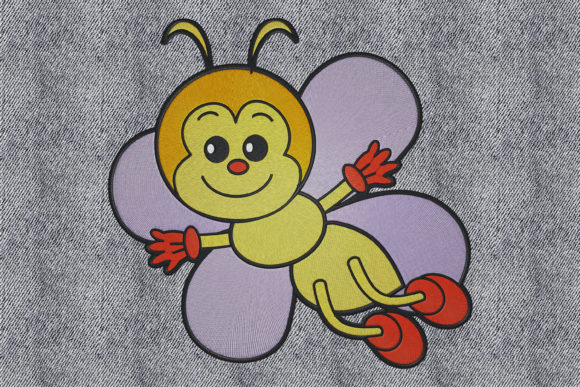
Little Butterfly: A Designer’s Review for Small Business Merch
As an embroidery designer who has spent years digitizing and testing files for commercial use, I approach every new machine embroidery design with a critical eye. It is not just about whether the image looks cute on a screen; it is about how that design translates to fabric, how it holds up in the wash, and ultimately, how it serves the brand identity of the small business owner purchasing it. Today, I am reviewing Little Butterfly, a design categorized under Bugs, specifically evaluating its potential for branded patch use, custom apparel, and small business merchandise.
The product description highlights this as a "Butterfly for kids Embroidery design," noting its suitability for pillows, t-shirts, and sweatshirts. While the "for kids" label suggests a playful aesthetic, my experience tells me that well-executed insect motifs have a broader appeal. They can signal growth, transformation, and nature—themes that resonate with boutiques, bakeries, florists, and creative studios alike. Let us dive into how Little Butterfly performs in a real-world commercial context.
First Impressions and Visual Personality
When I first loaded the preview of Little Butterfly, the immediate impression was one of approachable charm. The design does not attempt to be hyper-realistic or overly complex, which is often a pitfall for beginner-friendly files. Instead, it leans into a stylized, decorative look. This is crucial for business use because overly detailed designs often turn into messy blobs when stitched out at smaller sizes.
The visual personality here feels friendly and handmade. It lacks the rigid, corporate coldness of some vector logos, offering instead a soft, organic feel. For a local café or a pet brand, this warmth can be a significant asset. It suggests care and attention to detail, qualities that customers subconsciously associate with high-quality service. However, because it is categorized under Bugs, we must ensure the styling remains elegant rather than creepy or chaotic. From what I can see, the silhouette is clean, suggesting it will read well even from a distance.
Strategic Applications for Small Business Merch
The true value of a digital embroidery file lies in its versatility. Here is how I envision Little Butterfly working across various product lines for entrepreneurs and merch creators:
- Embroidered Patches: This is perhaps the strongest use case. A butterfly motif works beautifully as an iron-on or sew-on patch. You can produce these in batches and use them to upgrade plain tote bags, denim jackets, or canvas aprons. The contained shape of a butterfly makes it ideal for patch borders, preventing fraying and ensuring a clean finish.
- Cap Embroidery: Placing Little Butterfly on the side panel or the back of a baseball cap offers a subtle branding opportunity. Front-center placement might be too large depending on the specific dimensions, so checking the scale is vital. Side placements are trendy and allow for a delicate touch that appeals to younger demographics.
- Apron Embroidery: For bakeries, florists, or craft studios, branded aprons are walking advertisements. Stitching this design on the chest pocket or the upper corner of an apron adds a professional yet whimsical touch. It reinforces the brand identity without overwhelming the uniform.
- Tote Bag Design: Canvas totes are staples for Etsy sellers and boutique owners. A single, well-placed butterfly can serve as a minimalist logo accent. It transforms a generic bag into a branded item that customers are proud to carry, increasing brand recognition in public spaces.
- Custom Apparel Accents: Think beyond the full-front logo. Use Little Butterfly as a sleeve detail on sweatshirts or near the hem of a t-shirt. These small surprises create a premium feel, encouraging customers to share photos of their purchases on social media.
Technical Considerations and Production Notes
While the aesthetic is promising, technical execution is where many small businesses stumble. As a designer, I must advise caution regarding several factors before you commit to a large production run.
Stitch Density and Fabric Texture: The description mentions it is a high-quality design, but "high quality" can sometimes mean high stitch density. If you are stitching onto lightweight fabrics like thin cotton t-shirts or silk scarves, high density can cause puckering. Always test on a scrap piece of your actual fabric. If the design feels stiff or causes the fabric to gather, you may need to adjust your tension or use a cut-away stabilizer instead of tear-away.
Scale and Legibility: One common mistake is shrinking a design too much. If you plan to use Little Butterfly on a small tag or a tiny patch, ensure the internal details do not merge. Butterfly wings often have intricate patterns. If these lines are too close together, the thread will bridge the gaps, losing the definition. I recommend stitching a test sample at your intended smallest size to verify clarity.
Thread Color Contrast: Since this is a Bugs category design, color choice is pivotal. On dark uniforms, a light-colored butterfly will pop, but you must ensure the background fabric does not show through any open areas in the design. Conversely, on white tote bags, using pastel threads might lack visibility. Test your thread colors against your base material to ensure the brand message remains clear.
Hoop Size and Placement: The product description states it comes with multiple embroidery file formats, which is excellent for compatibility. However, always confirm the hoop size requirements. If the design is large, it may require a 5x7 or larger hoop, limiting its use on standard cap frames or small sleeves. Check the dimensions provided in the file package before planning your layout.
Enhancing Brand Identity and Customer Trust
Why choose Little Butterfly over a generic clipart image? Because embroidery conveys texture and value. A printed logo can fade or crack; an embroidered design signals permanence and quality. When customers see a stitched butterfly on a product, they perceive it as a handmade product crafted with intent.
This perception directly impacts customer trust. For small businesses, every touchpoint matters. Using consistent design assets like this butterfly across your packaging, staff uniforms, and merchandise creates visual consistency. It helps build a cohesive brand story. Whether you are running a creative studio or a local bakery, this consistency makes your business appear more established and professional.
Furthermore, embroidered items have a higher perceived value. You can charge more for a tote bag with an embroidered accent than one with a printed graphic. This increases your profit margin while delivering a superior finished product to your client.
Practical Steps Before Commercial Use
Before you integrate Little Butterfly into your commercial embroidery workflow, follow these essential steps:
- Check Licensing: The description notes it can be used for various items, but always confirm the specific commercial license terms. Ensure you are allowed to sell physical goods featuring this design.
- Create a Printable Mockup: Use digital tools to place the design on photos of your actual products. This helps you visualize scale and placement before wasting thread and fabric.
- Test on Real Fabric: Do not rely solely on screen previews. Stitch out the design on the exact material you intend to sell. Wash and dry the sample to check for durability and color bleeding.
- Review File Formats: Ensure the included formats match your machine. Common formats include PES, DST, and JEF. Having multiple options ensures compatibility across different shop equipment.
- Compare with Other Assets: Place Little Butterfly next to your existing logo or other design elements. Does it complement them? Does it clash? Visual harmony is key to professional branding.
In conclusion, Little Butterfly offers a versatile, charming option for small business owners looking to add a touch of nature-inspired elegance to their merchandise. By paying attention to technical details like stabilizer choice, stitch density, and placement, you can transform this simple embroidery file into a powerful tool for brand building. Whether used on a barista’s apron or a boutique’s signature tote, it has the potential to elevate your small business merch and delight your customers.