Japanese House: A Designer’s Review for Small Business Merch
As an embroidery designer who has spent years digitizing and reviewing files for commercial use, I approach every new machine embroidery design with a critical eye. It is not just about whether the image looks pretty on a screen; it is about how that design translates to fabric, how it holds up in the wash, and ultimately, how it serves the brand identity of the small business owner purchasing it. Recently, I had the opportunity to evaluate Japanese House, a digital embroidery file categorized under Asia-themed designs. This review focuses on its practical application for small business merch, branded patches, and custom apparel.
First Impressions: Visual Personality and Brand Fit
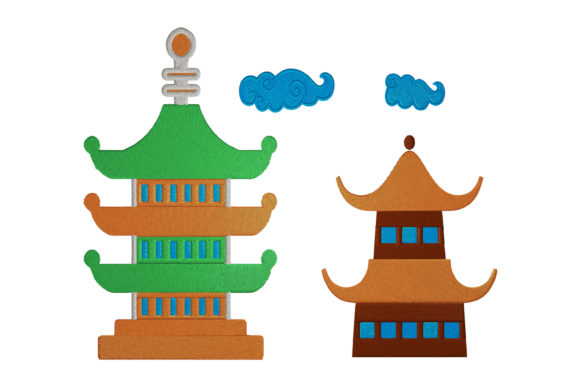
The title Japanese House immediately evokes a sense of structure, tradition, and calm. In the world of branding, these are powerful associations. When I first loaded the preview, the design felt less like a loud, attention-grabbing logo and more like a sophisticated accent. It carries a rustic yet elegant aesthetic that bridges the gap between modern minimalism and classic architectural beauty. For a handmade product line or a boutique brand, this visual personality is invaluable. It suggests quality and attention to detail without shouting for attention.
For businesses in the hospitality sector, such as a local café, a tea house, or a boutique hotel, this design aligns perfectly with a brand identity centered on tranquility and craftsmanship. It does not feel overly playful or childish; instead, it projects a premium, curated vibe. This makes it an excellent candidate for businesses that want to convey trust and professionalism through their textile assets.
Real-World Applications for Small Business Merchandise
The versatility of Japanese House is its strongest asset for the commercial embroiderer. Because the subject matter is architectural and grounded, it works exceptionally well across various substrates. Here is how I envision this design performing in real business scenarios:
- Embroidered Patches: This is perhaps the most lucrative application. A well-digitized house motif makes for a stunning iron-on or sew-on patch. Coffee shops can sell these as collector items, and florists can use them as branded labels for their delivery bags. The structured lines of a house translate beautifully into satin stitches, creating a raised, tactile finish that customers love.
- Staff Uniforms and Aprons: For a bakery or a creative studio, apron embroidery adds a layer of authenticity. Placing Japanese House on the chest pocket area of a canvas apron creates a subtle but professional mark. It elevates a standard uniform into a piece of branded merchandise that staff are proud to wear.
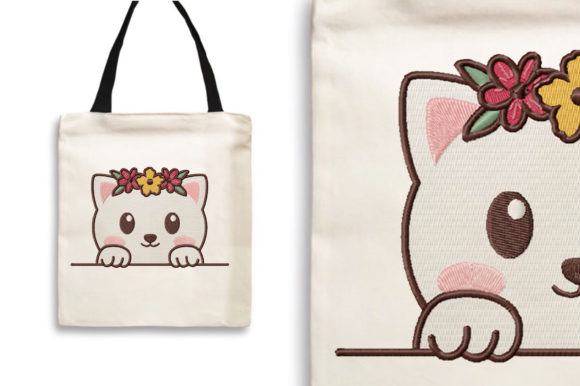
- Tote Bag Design: Canvas tote bags are a staple for Etsy sellers and retail boutiques. This design works wonderfully as a central focal point on a tote. The architectural elements provide a strong visual anchor that balances well with the natural texture of cotton or canvas fabric.
- Cap Embroidery: While caps require careful handling due to the curved surface, a simplified version of this design could work beautifully on the front panel or the side. It offers a unique alternative to the typical text-only logos seen on headwear.
Navigating Technical Challenges and Fabric Constraints
While the aesthetic appeal is high, any experienced digitizer knows that architectural designs come with technical challenges. When using Japanese House for commercial embroidery, you must pay close attention to stitch density and fabric texture. Houses often involve straight lines and geometric shapes. If the stitch density is too high, you risk perforating lightweight fabrics like thin t-shirts or silk blends. Conversely, if the density is too low on a thick towel or fleece, the underlying fabric may show through, ruining the crispness of the design.
I recommend testing this design on a scrap piece of your intended production fabric before running a full batch. Pay particular attention to the corners and rooflines of the house structure. These areas are prone to puckering if the stabilizer is not chosen correctly. For stretchy materials like sweatshirt fleece, a cut-away stabilizer is non-negotiable to maintain the integrity of the shape. For woven fabrics like twill or canvas used in tote bags, a tear-away may suffice, but always test first.
Another consideration is the scale. If you plan to use this as a tiny chest logo on a polo shirt, ensure that the details do not become muddy. Small patch sizes require simplified details. If the original file includes intricate window frames or decorative eaves, they might need to be removed or thickened for smaller applications to ensure clarity.
Enhancing Brand Identity and Customer Trust
In the competitive landscape of small business merch, consistency is key. Using a cohesive design element like Japanese House across different products helps build brand recognition. When a customer sees the same embroidered motif on a purchase bag, a staff apron, and a limited-edition patch, it reinforces the brand’s visual language. This consistency builds trust. It signals that the business is established, thoughtful, and professional.
Furthermore, the "handmade" quality of embroidery adds perceived value to the finished product. A printed logo can feel mass-produced, but an embroidered design carries weight and texture. It invites the customer to touch the item, creating a deeper sensory connection. For Etsy sellers and crafters, this tactile experience can be the deciding factor in a purchase. It transforms a simple commodity into a keepsake.
Practical Notes for the Production Embroiderer
Before you load this digital embroidery file into your machine for a client order, there are several steps you should take to ensure a flawless result. First, check the included formats. The description notes that it comes with multiple embroidery file formats, which is essential for compatibility with different machine brands. However, always verify that the specific format matches your hardware.
Second, review the thread colors. Architectural designs often rely on contrast. Ensure that the thread colors you choose complement the fabric color. A dark thread on a dark uniform will vanish, while a high-contrast combination might look too harsh if not balanced correctly. I advise creating a printable mockup to visualize the color interaction before stitching.
Third, confirm the hoop size requirements. Ensure your machine’s hoop can accommodate the design dimensions without needing to re-hoop, which can lead to alignment issues. Finally, and most importantly, verify the commercial licensing terms. Since you are using this for small business merch and branded patch use, you must have the right to sell the finished products. Do not assume; read the license agreement provided with the download.
Final Verdict for Commercial Use
Japanese House is a strong contender for businesses looking to add a touch of elegance and cultural depth to their merchandise. It is not just a decorative element; it is a branding tool. When handled with the right technical care regarding stabilizer, tension, and fabric choice, it produces a high-quality finish that enhances the perceived value of any item it adorns. Whether you are decorating uniforms for a local bistro or creating a line of branded patches for an online store, this design offers the sophistication and versatility needed to stand out in a crowded market. By treating it as a strategic asset rather than just an image, you can leverage its aesthetic power to drive engagement and sales.