Dancing Line: A Designer’s Review for Small Business Merch
As an embroidery designer who has spent years digitizing and testing files for commercial use, I approach every new machine embroidery design with a critical eye. It is not enough for a pattern to look pretty on a screen; it must perform under the needle, withstand washing, and elevate the brand it represents. Recently, I evaluated Dancing Line, a versatile embroidery file categorized under Dance, to determine its viability for small business merchandise and branded applications. This review focuses on how this design functions in real-world scenarios, from boutique apparel to corporate uniforms.
First Impressions: Visual Personality and Brand Fit
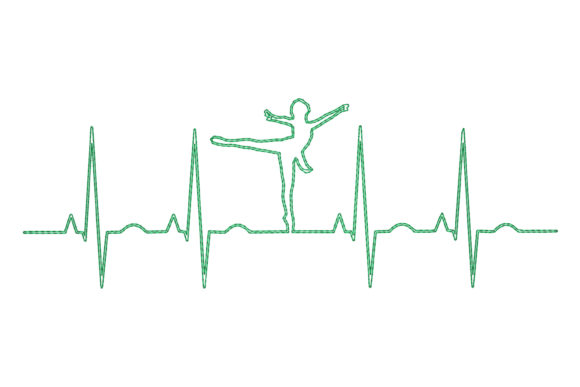
The title Dancing Line suggests movement, fluidity, and grace. Upon initial inspection, the design avoids the rigid, blocky aesthetics often found in generic stock libraries. Instead, it offers a sense of organic flow. For a small business owner, this visual personality is crucial. The design feels modern yet timeless, striking a balance between playful elegance and professional minimalism. It does not scream for attention but rather invites a closer look, which is ideal for brands aiming for a premium or artisanal image.
Because the description highlights its suitability for pillows, t-shirts, and sweatshirts, we can infer that the line work is adaptable. However, for business use, we must look beyond home decor. Does this design translate well to a chest logo? Can it serve as a subtle sleeve detail? The answer lies in its simplicity. Complex gradients and excessive stitch counts often fail in commercial production, but a well-executed line design like this can become a signature element of a brand’s visual identity.
Real-World Applications for Small Business Merch
When considering small business merch, versatility is key. Here is how Dancing Line performs across various product categories:
- Embroidered Patches: This is perhaps the strongest application. A clean line design translates beautifully into an iron-on or sew-on patch. It allows businesses to create removable branding for jackets, bags, or hats without committing to direct embroidery on expensive garments. The continuous nature of the line ensures that the patch remains durable even with frequent handling.
- Staff Uniforms and Aprons: For cafes, bakeries, or florists, apron embroidery adds a touch of sophistication. Placing Dancing Line on the bib of an apron or the chest pocket of a work shirt creates a cohesive team look. The design’s fluidity softens the utilitarian nature of uniform fabrics, making staff appear more approachable and stylish.
- Cap Embroidery: Front-panel cap embroidery requires designs that are not too tall or dense. If the line work in this design is horizontal or slightly curved, it fits perfectly on the structured front of a baseball cap. It serves as a subtle brand mark that customers notice without being overwhelmed by heavy stitching.
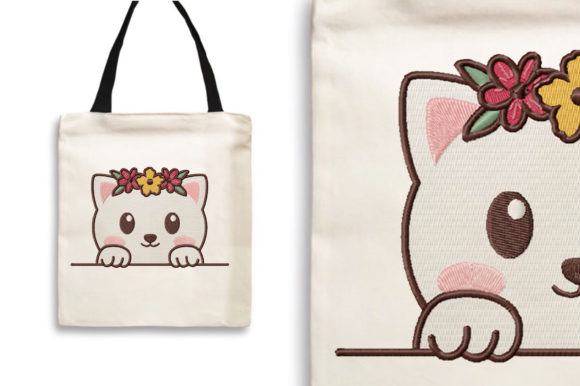
- Tote Bag Design: Canvas tote bags are staples for retail shops and events. A single, elegant line embroidered on the corner or center of a tote bag enhances the perceived value of the item. It transforms a simple carrier into a fashionable accessory, encouraging customers to use it repeatedly, which increases brand visibility.
Technical Considerations and Production Challenges
While the aesthetic appeal is strong, technical execution determines the success of any commercial embroidery project. As a designer, I advise caution in several areas when using Dancing Line.
Stitch Density and Fabric Texture: Line designs can sometimes suffer from low stitch density, leading to gaps where the fabric shows through unintentionally. On textured fabrics like terrycloth towels or coarse canvas, the line might get lost. It is essential to test the design on the specific material you intend to use. If the line is too thin, consider adding a satin stitch border or increasing the density slightly to ensure coverage.
Curved Surfaces and Hoop Size: When applying this design to caps or curved seams, distortion is a risk. You must confirm the appropriate hoop size and use a stabilizer that matches the fabric’s weight. For stretchy materials like performance tees, a cut-away stabilizer is non-negotiable to prevent puckering around the linear stitches.
Scale and Legibility: One common mistake is shrinking a design too much. If Dancing Line includes any intricate turns or tight curves, reducing it below a certain inch threshold may cause thread breaks or loss of detail. Always create a printable mockup at actual size to verify that the lines remain distinct and do not merge into a blob of thread.
Enhancing Brand Identity and Customer Trust
In the world of handmade products and custom apparel, consistency builds trust. Using a distinctive design like Dancing Line across multiple touchpoints—business cards, packaging, and merchandise—creates a recognizable brand identity. When a customer receives a product with high-quality embroidery, it signals attention to detail and professionalism.
For Etsy sellers and crafters, offering items with unique embroidered accents differentiates them from mass-produced competitors. A sweatshirt featuring this design feels like a limited-edition piece rather than generic merchandise. This perceived value allows businesses to command higher price points and fosters deeper customer loyalty. The emotional connection formed through tactile, well-crafted goods is something digital prints simply cannot replicate.
Practical Notes for Embroidery Professionals
Before running a full production batch of Dancing Line, follow these steps to ensure quality control:
- Test in Black and White: Stitch out the design in black thread on white fabric first. This reveals any issues with spacing, tension, or registration without the distraction of color.
- Check Thread Color Contrast: Since this is a line design, the contrast between the thread and the fabric is vital. Ensure your chosen thread colors stand out against the garment color to maintain legibility.
- Verify File Formats: The product description states that this digital embroidery file comes with multiple formats. Confirm that your machine reads the specific format provided (such as PES, DST, or JEF) to avoid conversion errors that can alter stitch paths.
- Review Commercial Licensing: Always check the license terms associated with the file. Ensure you have the right to use the design for physical goods sold in your shop. Some licenses restrict the number of units you can produce or require attribution.
- Create Client Mockups: If you are fulfilling orders for other businesses, provide a digital mockup showing the design on their specific garment. This manages expectations and reduces the likelihood of returns due to placement preferences.
Final Verdict
Dancing Line is a promising asset for small business owners and embroidery professionals. Its strength lies in its adaptability and elegant simplicity. While it requires careful attention to stitch density and fabric selection, the potential for creating high-value branded merchandise is significant. Whether used for an embroidered patch, a subtle cap logo, or a statement piece on a tote bag, this design supports a professional and cohesive brand image. By treating it as a strategic design element rather than just decoration, businesses can leverage Dancing Line to enhance their product offerings and connect more meaningfully with their customers.