Halloween Candle: A Designer’s Review for Real Projects
As a designer who has spent countless hours digitizing and testing machine embroidery design files, I approach every new asset with a critical eye. We all know that what looks perfect on a screen does not always translate seamlessly to fabric. When I first loaded the Halloween Candle file into my software, I was looking for more than just a spooky motif; I was evaluating its potential as a versatile component in a commercial craft business. This is not just about stitching a picture; it is about creating a finished product that holds up to washing, wearing, and customer scrutiny.
First Impressions and Visual Mood
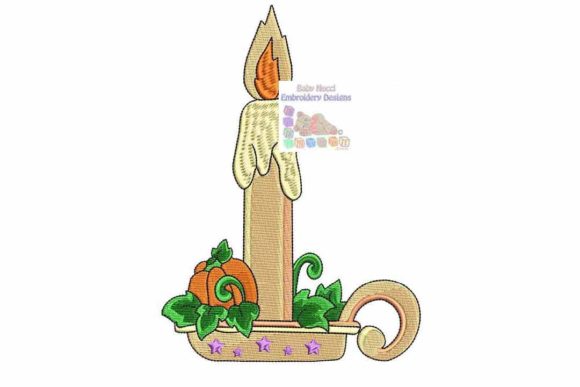
The initial visual impact of the Halloween Candle is warm yet eerie, striking that delicate balance required for successful holiday embroidery. It avoids the cliché of overly aggressive horror themes, opting instead for a cozy, atmospheric vibe. This makes it incredibly adaptable. In my experience, designs that lean too heavily into "scary" have a shorter shelf life, whereas this candle motif feels like a seasonal staple. The layout appears balanced, with a clear focal point that draws the eye immediately. For an Etsy seller or small shop owner, this visual clarity is crucial. Customers scrolling through digital listings need to understand the design instantly. The silhouette is distinct enough to be recognized even from a distance, which is a key factor when creating printable mockup images for online stores.
Real-World Application: The Tote Bag Test
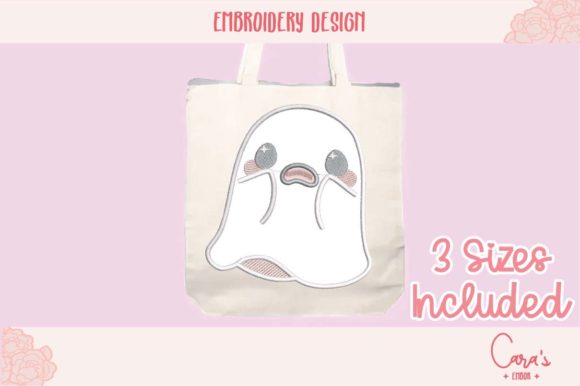
To truly evaluate an embroidery file, you must imagine it in a real-life scenario. I recently worked on a custom order for a local boutique needing tote bag design options for their October inventory. The Halloween Candle was a top contender. Tote bags, typically made from canvas or heavy cotton, provide a stable surface that showcases stitch definition well. I envisioned this design placed slightly off-center on a natural-colored canvas bag, paired with a simple serif font. The result would be a sophisticated handmade product rather than a childish costume accessory. This versatility is what separates a good design from a great one. It allows the creator to pivot between different target audiences, from parents buying baby embroidery items to adults seeking chic custom apparel.
Performance on Apparel and Textiles
The product description notes that this lovely embroidery will look great on T-shirts, Sweatshirts, and kitchen towels. From a technical standpoint, these substrates behave very differently. On a sweatshirt, the pile of the fleece can sometimes swallow fine details. However, if the Halloween Candle utilizes sufficient fill stitch density, it will pop beautifully against the textured background. For T-shirts, which are often thinner and stretchier, the stability of the design becomes paramount. I would recommend using a cut-away stabilizer to prevent puckering, especially if the design has any wider areas of solid color. The interplay of thread colors is also vital here. An orange flame against a black shirt is classic, but testing contrasting combinations, such as a teal candle on a charcoal grey hoodie, can elevate the design into something modern and unexpected.
Technical Considerations for Stitching
While the aesthetic appeal is strong, the technical execution requires attention. Without specific data on stitch count or exact dimensions provided in the brief, I advise every user to check these details before hooping. If the design relies heavily on satin stitch for the candle wax drips, you must ensure your machine tension is perfectly calibrated. Satin stitches on curved paths can sometimes pull or gap if the density is too low. Conversely, if the flame uses a combination of running stitch and fill, it may require careful trimming of jump stitches to maintain a clean look. For those creating an embroidered patch, this design would likely benefit from a merrowed border or a tight satin edge to prevent fraying, adding durability to the design assets.
Another critical factor is the hoop size. If you are planning to use this on smaller items like baby clothes or caps, you need to confirm that the design scales down without losing integrity. Tiny details can become muddy when reduced. I always recommend stitching a test sample on scrap fabric of the same type you intend to use for the final product. This step saves time, thread, and frustration. It allows you to inspect the stitch density and make adjustments to your stabilizer choice or thread weight if necessary.
Navigating Fabric Challenges
Not all fabrics are created equal. When working with dark fabrics, which are popular for Halloween themes, thread sheen becomes a major player. Polyester threads often reflect light differently than rayon, affecting how the candle flame appears. On textured fabrics like waffle knit or terry cloth towels, the design needs to be bold enough to stand out against the uneven surface. The Halloween Candle seems suited for this, provided the outlines are crisp. However, be cautious with very stretchy fabrics or curved surfaces like caps. These require additional stabilization techniques, such as using water-soluble topping, to keep the stitches sitting on top of the fabric rather than sinking in.
Commercial Viability and Brand Consistency
For commercial embroidery professionals and digital embroidery file sellers, consistency is key. Using a design like Halloween Candle across a collection helps build brand recognition. Imagine offering a matching set: a sweatshirt for the mom, a onesie for the baby, and a kitchen towel for the home. This cohesive approach increases the perceived value of your small shop product line. It transforms a single purchase into a bundle opportunity. Furthermore, the professional presentation of the stitched item builds customer trust. A clean, well-digitized design signals quality, encouraging repeat business and positive reviews.
When creating personalized gift options, consider how this design interacts with text. Does it leave enough negative space for a name or date? If the candle is positioned to one side, it creates a natural flow for adding custom lettering. This flexibility makes it a powerful tool for creators who offer monogramming or custom messages. It turns a standard embroidery project into a unique keepsake.
Final Verdict and Best Practices
In conclusion, the Halloween Candle is a promising addition to any designer’s library. Its strength lies in its adaptability and timeless seasonal appeal. To get the best results, always verify the licensing terms before selling finished items. Ensure you have the right applique design or standard fill files depending on your machine’s capabilities. Test on various fabrics, pay attention to fabric texture, and never skip the test stitch. By treating this digital asset with the care it deserves, you can create stunning holiday gifts and profitable merchandise that customers will love. Whether you are a hobbyist making gifts for friends or a seasoned craft business owner, this design offers the reliability and charm needed for successful embroidery outcomes.