Scary Ghost Applique: A Designer’s Real-World Review
As an embroidery designer who has spent countless hours hooped up at the machine, I have learned that not all digital files are created equal. Some look fantastic on a screen but turn into a bird’s nest of thread breaks and puckering on fabric. Others are reliable workhorses that elevate a simple garment into a boutique-quality item. Today, I am taking a close look at the Scary Ghost Applique, evaluating it not just as a graphic, but as a functional component for real-world production.
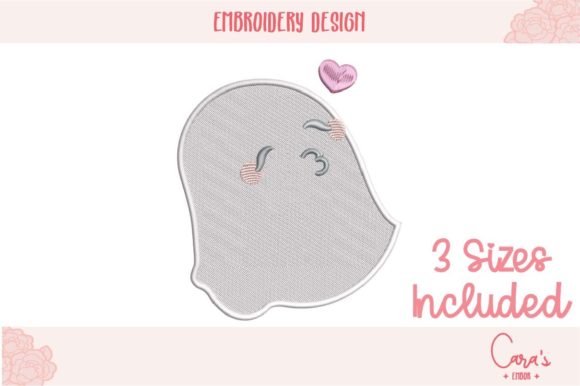
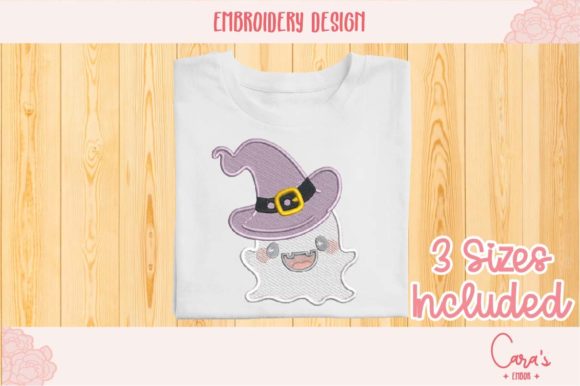
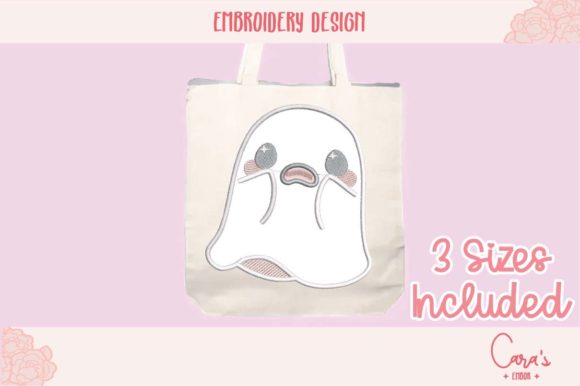
When I first loaded this machine embroidery design into my software, my immediate impression was one of playful charm rather than genuine terror. The silhouette is clean, relying on bold shapes rather than excessive detail. This is a crucial distinction for anyone running a craft business. Overly complex designs often fail on textured fabrics or when scaled down, but this layout suggests stability. It feels like a design meant to be seen from a distance, making it ideal for items like tote bags or sweatshirts where impact matters more than microscopic precision.
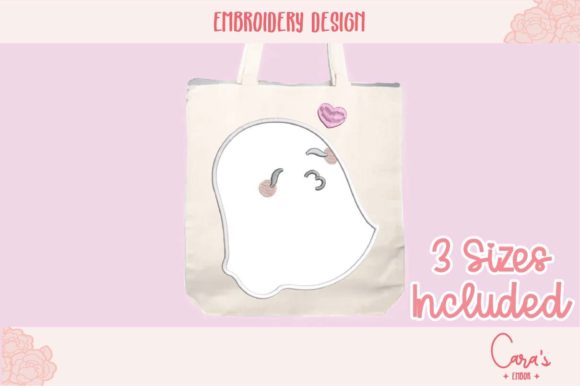
Putting the Design to the Test: A Tote Bag Scenario
To truly understand how this applique design performs, I simulated a common client request: a custom Halloween tote bag for a local boutique. The goal was to create a handmade product that felt professional yet whimsical. I chose a medium-weight canvas for the base, knowing that the stability would support the applique process.
The workflow for an applique is distinct from standard embroidery. You stitch the placement line, lay down your fabric cutout, tack it down, and then finish with the border. With the Scary Ghost Applique, the placement lines were clear and easy to follow. The border stitch, which appears to be a variation of a satin stitch or a dense running stitch depending on the size, hugged the edge of the fabric cleanly. There was no gaping between the ghost shape and the background, which is a common issue with poorly digitized curves.
For a tote bag design, durability is key. The stitch density here feels balanced. It is not so heavy that it creates a stiff, cardboard-like patch on the fabric, nor is it so light that the edges fray after a few washes. This balance is what separates a hobbyist experiment from a viable small shop product.
Versatility Across Product Lines
Beyond totes, I evaluated where else this design could shine in a commercial setting. For sweatshirt embroidery, the design holds its own against the fuzzy texture of fleece. The contrast between the smooth applique fabric and the napped background adds a nice tactile dimension. However, I would advise caution when using this on thin or stretchy materials. Without proper stabilization, the pull of the stitches can distort the ghost’s shape, turning a cute character into a warped blob.
If you are an Etsy seller looking to expand your holiday embroidery collection, this design fits well into several niches. It works beautifully as an embroidered patch if stitched on twill and then cut out. Patches are currently trending, and a clean applique like this reduces production time compared to full-fill designs. It also translates well to baby embroidery projects, such as bibs or onesies, provided you use soft, skin-friendly fabrics for the applique layer and ensure all threads are secure.
For those creating custom apparel, consider the placement. On a cap, the curved surface requires careful hooping. While the design is relatively simple, the horizontal width might challenge smaller hoops or cause distortion on the front panel of a structured hat. Always test on a similar curved surface before committing to a client order.
Technical Considerations and Fabric Choices
One of the most important aspects of reviewing an embroidery file is understanding its limitations. The product notes state that resizing or editing the design is not recommended. This is standard advice for appliques because changing the scale alters the relationship between the placement stitch, the tack-down stitch, and the finishing border. If you shrink it too much, the needle perforations may merge, causing the fabric to tear. If you enlarge it, the gaps may become visible.
Therefore, selecting the right hoop size from the start is critical. Check the specific dimensions provided with your purchase to ensure it fits your intended project. Additionally, thread color contrast plays a massive role in the final look. On dark fabrics, a light-colored ghost pops effectively, but you must ensure the border stitch contrasts enough with both the applique fabric and the background. A printable mockup can help visualize this, but nothing beats a physical test stitch.
Stabilizer choice is another non-negotiable factor. For woven fabrics like cotton or canvas, a cut-away stabilizer provides the best long-term stability, especially for items that will be washed frequently. For knits, a tear-away might suffice if the design is small, but given the nature of applique, I prefer the security of cut-away to prevent shifting during wear.
Commercial Viability and Brand Consistency
From a business perspective, the Scary Ghost Applique offers strong value. It is quick to stitch compared to full-fill designs, which means lower machine time and higher profit margins. The clean aesthetic aligns well with modern minimalist trends, allowing it to fit into brands that favor subtle spooky vibes over chaotic horror themes.
Customer trust is built on consistency. Because this design has been tested and reviewed for quality, you can expect reliable results across multiple runs. This reliability is essential for commercial embroidery where you might need to produce twenty identical items for a corporate gift or a school fundraiser. A design that breaks threads or misaligns halfway through a batch can destroy your deadline and your reputation.
However, always verify the licensing terms. While many designers allow you to sell finished physical products, the rules regarding digital embroidery file redistribution are strict. Never share the file itself. Use it to create value-added design assets like finished garments, home decor, or accessories.
Final Verdict and Practical Tips
In conclusion, the Scary Ghost Applique is a solid addition to any seasonal library. It is not just a cute graphic; it is a well-engineered tool for creators. To get the best results, follow these practical steps:
- Test Stitch First: Always run the design on scrap fabric similar to your final material. Check for registration issues between the layers.
- Check Thread Colors: Ensure your thread choices provide enough contrast to define the shape clearly.
- Use Proper Stabilizer: Match your stabilizer to your fabric weight and type to prevent puckering.
- Respect the Size Limits: Do not resize the design. Choose the correct file size for your hoop and project from the beginning.
- Consider the Fabric: Avoid using this on highly textured or loose-weave fabrics unless you use a topping or appropriate backing.
Whether you are making a personalized gift for a friend or stocking your online store with finished product inventory, this design delivers professional results with minimal hassle. It respects the constraints of the medium while offering enough personality to engage buyers. For makers who value efficiency and quality, the Scary Ghost Applique is a worthy investment for your upcoming embroidery project lineup.