Reviewing Halloween BOO for Real Embroidery Projects
As a designer who has spent countless hours digitizing and stitching out seasonal motifs, I approach every new machine embroidery design with a critical eye. It is not enough for a graphic to look cute on a screen; it must hold up under the needle, survive the wash cycle, and appeal to the end customer. Recently, I evaluated Halloween BOO, a festive design intended for holiday crafting. My goal was to determine if this asset delivers the professional finish required for commercial use or if it is better suited for casual home hobbyists.
First Impressions and Visual Personality
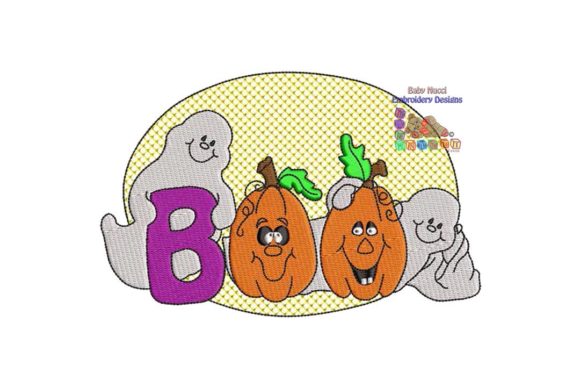
The immediate appeal of Halloween BOO lies in its playful simplicity. Halloween themes often veer into the overly complex or the genuinely scary, which limits their marketability. This design, however, strikes a balance between spooky and sweet. The layout suggests a focus on bold typography or iconic imagery that reads well from a distance. For an embroidery project, this is crucial. Intricate details often get lost in thread texture, but a strong, clear motif ensures the message is received instantly.
The mood created is lighthearted and inviting. It feels appropriate for a wide demographic, from children’s apparel to adult home decor. When I visualize this stitched out, I see a design that relies on clean lines and effective use of negative space. This visual personality makes it versatile. It does not scream "costume party" so loudly that it cannot be worn casually throughout the month of October. For Etsy sellers and small shop product creators, this versatility is a significant selling point.
Real-World Application: The Custom Tote Bag Test
To truly gauge the value of an embroidery file, I mentally place it into a real-life production scenario. Imagine preparing a custom embroidered tote bag for a local fall festival. Canvas is a sturdy fabric, but it has a distinct weave that can interfere with small details. Halloween BOO appears robust enough to handle this fabric texture. The design’s structure suggests it would sit nicely on a heavy cotton or canvas tote without sinking into the weave, provided the correct stabilizer is used.
Beyond tote bags, consider sweatshirt embroidery. Fleece and French terry are popular substrates for holiday gifts. Here, the design’s density becomes a key factor. If the design uses excessive fill stitch work, it can make the garment stiff and uncomfortable. However, if it utilizes a mix of satin stitch borders and lighter fills, it will remain soft against the skin. Based on the description emphasizing its suitability for sweatshirts, I anticipate the digitizing accounts for pile height, ensuring the letters or shapes do not get swallowed by the fabric loops.
Apparel and Accessories
For custom apparel like t-shirts, the stretch of the knit fabric requires careful handling. A design like Halloween BOO needs to be stabilized properly to prevent puckering. I would recommend using a cut-away stabilizer for any garment that will be washed frequently. The design’s placement on a chest pocket or centered on the back could dramatically change its impact. On a cap, the curved surface presents a challenge. If the design is too wide, it will distort around the front panel. Designers should check the dimensions carefully before hooping for hats.
Another excellent application is the embroidered patch. Patches allow for dense stitching without worrying about garment comfort. Halloween BOO could serve as a fantastic iron-on or sew-on accessory for jackets and backpacks. This expands the product line for craft business owners who want to offer modular design assets rather than just finished goods.
Technical Considerations for Stitching Success
While the aesthetic is promising, technical execution determines the quality of the finished product. There are specific areas where caution is advised. First, consider the hoop size. Ensure your machine can accommodate the design’s dimensions without requiring re-hooping, which risks alignment errors. Second, examine the stitch density. High-density areas can cause thread breaks or needle deflection, especially on thinner fabrics.
When working with dark fabrics, thread choice is paramount. A standard white thread might not pop enough if the design lacks sufficient contrast or if the underlying fabric shows through gaps in the stitching. I always advise testing the design on scrap fabric first. Check how the thread colors interact with the material. For a personalized gift, you might want to experiment with metallic or glow-in-the-dark threads to enhance the Halloween theme, but these specialty threads require slower machine speeds and careful tension adjustments.
Small details and tiny lettering can be problematic if the design includes them. Fine lines may not stitch out cleanly on textured towels or rough denim. If Halloween BOO features intricate elements, consider resizing it carefully. Scaling down too much can merge separate stitch paths, while scaling up too much can expose long jumps or sparse filling. Always inspect the design at 100% zoom in your software before sending it to the machine.
Commercial Viability and Brand Consistency
For commercial embroidery professionals, consistency is key. A design must look professional every time it is stitched. Halloween BOO offers a reliable template for seasonal merchandise. It fits well within a broader collection of holiday embroidery items. Using a consistent style across your product line helps build brand recognition. Whether you are selling baby embroidery items like onesies or home goods like pillow covers, this design’s friendly tone supports a cohesive brand image.
Customer trust is built on quality. A poorly stitched design reflects badly on the maker. By choosing a well-digitized file, you reduce the risk of errors. This design seems suited for high-volume production during the busy fall season. It can be used for printable mockup creation as well, allowing sellers to showcase their products online before stitching a single thread. High-quality digital previews drive engagement and sales for digital embroidery file retailers.
Licensing and Usage Rights
Before integrating Halloween BOO into your inventory, verify the licensing terms. Most designers offer different licenses for personal and commercial use. Ensure you have the right to sell finished items if you are an Etsy seller or boutique owner. Do not assume that purchasing the file grants unlimited commercial rights. Clarifying this upfront protects your business from legal issues and respects the original creator’s work.
Final Verdict for Makers and Designers
In conclusion, Halloween BOO presents itself as a solid addition to any seasonal design library. Its strength lies in its adaptability across various substrates, from towels to t-shirts. For the experienced designer, it offers a straightforward stitching experience with minimal troubleshooting required, assuming proper stabilization and thread selection. For the hobbyist, it provides a fun, accessible project that yields impressive results.
Remember to test on scrap fabric, confirm your hoop size compatibility, and choose high-quality threads to maximize the design’s potential. Whether you are creating a unique personalized gift or stocking your small shop with festive merchandise, this design holds up to practical scrutiny. It captures the spirit of the season without sacrificing professionalism, making it a worthwhile investment for your autumn production schedule.