Winter Unicorn: A Designer’s Craft Fair Review
As an embroidery designer who has spent countless weekends behind a folding table at local markets, I know that the difference between a browser and a buyer often comes down to split-second visual impact. When I first loaded the Winter Unicorn machine embroidery design into my software, my immediate reaction was one of delight mixed with strategic calculation. This is not just another generic animal motif; it is a piece of personality stitched into fabric. For those of us running small shop products or managing an Etsy seller storefront, finding designs that bridge the gap between whimsical charm and commercial viability is rare. Winter Unicorn manages to strike that balance, offering a witty aesthetic that fits squarely into the popular Animal Quotes category while maintaining the versatility needed for serious Embroidery production.
First Impressions: Whimsy Meets Marketability
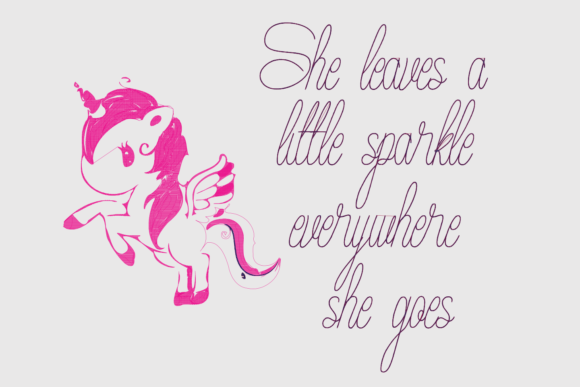
The initial glance at Winter Unicorn suggests a design that is both fun and witty, exactly as described. In a craft fair environment, where customers are scanning tables filled with handmade goods, you need items that stop them in their tracks. This design does not scream for attention with aggressive boldness; rather, it invites curiosity. It feels modern yet soft, avoiding the trap of looking too childish or overly rustic. For boutique makers, this tone is crucial. It appeals to adults who appreciate humor and nostalgia, making it a strong candidate for giftable handmade items. The "winter" aspect implies a seasonal relevance, but the unicorn theme gives it year-round appeal, ensuring your inventory does not become obsolete when the snow melts.
Product Application: Where This Design Shines
To truly evaluate a digital embroidery file, you must visualize it on tangible goods. I mentally placed Winter Unicorn on several standard craft fair staples to gauge its performance.
- Tote Bags and Market Bags: This is perhaps the strongest application. A tote bag offers a large, flat canvas where the design can breathe. As a tote bag design, Winter Unicorn becomes a statement piece. Customers love personalized or character-driven bags for grocery runs or library visits. The design’s wit adds value, transforming a simple bag into a conversation starter.
- Aprons and Kitchen Textiles: Apron embroidery is a huge seller in the handmade community. Whether it is a bistro-style apron or a full-coverage kitchen essential, this design adds a touch of personality to cooking chores. Similarly, tea towel embroidery benefits from the clean lines likely present in this style. However, one must be mindful of fabric texture. Thick, textured towels can obscure fine details, so testing on smooth linen or cotton is advisable.
- Caps and Headwear: Embroidered caps are high-margin items, but they are tricky. Curved cap surfaces distort designs. If Winter Unicorn has intricate curves or wide spans, it may require careful digitizing adjustments. It works best if the design is compact enough to sit cleanly on the front panel without wrapping around the sides.
- Patches and Pouches: Creating an embroidered patch allows for maximum control. You can hoop a stable backing, stitch the design, cut it out, and apply it later. This is ideal for small pouches or denim jackets where direct embroidery might be difficult due to seams or zippers.
Production Practicalities for the Busy Maker
For commercial embroidery operations, time is money. A design that looks great but takes three hours to stitch is rarely profitable for low-cost items. While I do not have the exact stitch count for Winter Unicorn, the description suggests it is designed for versatility across multiple products. This usually implies a balanced stitch density. Dense stitch areas can cause puckering, especially on lighter fabrics like t-shirts or thin tote materials. Conversely, if the design is too sparse, it may look cheap or fail to cover the fabric adequately.
Photography is another critical factor. How does Winter Unicorn photograph for online listings? Designs with good contrast and clear shapes tend to pop in thumbnail images on Etsy. If this design relies on subtle thread colors blending into the fabric, it may get lost in digital photos. I recommend using high-contrast thread colors for your main sample photos to ensure the design assets look crisp in your printable mockup and live listings.
Navigating Technical Challenges
Every embroidery file has its quirks. When working with Winter Unicorn, pay close attention to tiny details. Small lettering or intricate facial features on the unicorn can easily turn into a blob of thread if the stabilizer is insufficient or if the needle is dull. Always use the right stabilizer for your fabric type. For stretchy knits, a cut-away stabilizer is non-negotiable. For woven totes, a tear-away might suffice, but test first.
Dark fabric presents another challenge. If you plan to stitch this on navy or black hoodies, you will need to adjust your thread colors for visibility. A white or pastel unicorn on dark fabric looks striking, but ensure the digitizing includes underlay stitches to prevent the dark fabric from peeking through the lighter top stitches.
Enhancing Brand Consistency and Buyer Engagement
Using a cohesive design like Winter Unicorn helps build brand consistency. If your shop focuses on witty, animal-themed goods, this design reinforces your niche. It signals to buyers that you curate your collection with a specific voice. This emotional connection drives buyer engagement. People do not just buy an embroidered item; they buy the feeling it gives them. Winter Unicorn offers a sense of playfulness and warmth, which is particularly effective during the holiday season or as a cheer-up gift.
For booth display strength, consider grouping items featuring this design. Place the apron next to the matching tea towel and the tote bag. This cross-merchandising technique shows customers the versatility of the design and encourages multiple purchases. It transforms a single embroidery file into a comprehensive product line.
Essential Pre-Production Checklist
Before you commit to batch production, follow these professional steps to ensure quality control:
- Test on Scrap Fabric: Never stitch a new design directly on your final product. Use scraps of the exact same material to check for registration issues or puckering.
- Check Thread Contrast: Ensure your chosen thread colors stand out against the fabric. Sometimes what looks good on screen fails in real life due to lighting differences.
- Review Spacing and Hoop Size: Confirm that the design fits within your available hoop size. The product description mentions it comes with multiple formats, but always verify the dimensions match your hardware.
- Inspect Stitch Density: Look for areas where stitches overlap excessively. These can cause thread breaks or needle damage.
- Create a Real Mockup: Stitch one perfect sample for photography. Use this for your printable mockup and social media teasers.
- Confirm Licensing: This is vital. Ensure you have the correct license for commercial embroidery. Most designers allow finished product sales, but restrictions on sharing the digital embroidery file itself are standard. Respect intellectual property to protect your business.
In conclusion, Winter Unicorn is more than just a cute image; it is a strategic asset for your handmade business. It offers the flexibility needed for diverse products, from tote bag design applications to cozy home decor. By paying attention to technical details like stabilizer choice and thread contrast, you can elevate this design from a simple pattern to a best-selling craft fair product. Embrace the wit, respect the process, and let your creativity shine through every stitch.