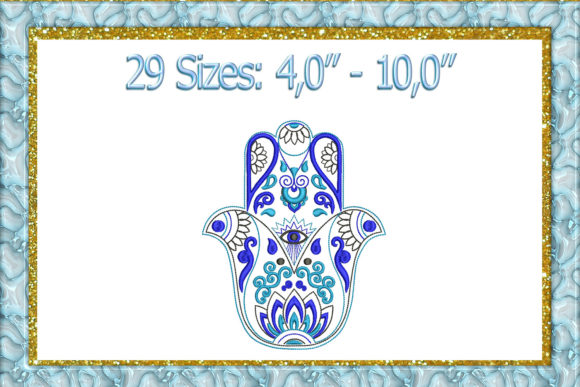
Hamsa Hand Diwali: A Designer’s Craft Fair Review
As an embroidery designer who has spent countless weekends behind a folding table at local markets, I have learned that not every pretty design translates into a bestseller. When I first pulled up the Hamsa Hand Diwali machine embroidery design on my screen, my immediate reaction was one of cautious optimism. In the world of handmade goods, especially during the bustling holiday season, you need designs that stop traffic. This particular piece sits at a fascinating intersection of cultural symbolism and festive aesthetics, making it a potentially powerful asset for your small shop product lineup.
First Impressions: Bold, Festive, and Meaningful
The first thing that strikes me about the Hamsa Hand Diwali is its visual weight. It does not feel minimal or shy; rather, it feels decorative and premium. The combination of the Hamsa hand—a universal symbol of protection—with the vibrant energy associated with Diwali creates a design that is both elegant and deeply festive. For a craft fair booth, this is crucial. Customers walking past your display are scanning hundreds of items in seconds. A design that feels bold and culturally rich stands out against the sea of generic farmhouse or rustic decor.
This is not just a cute accent; it is a statement piece. It carries an emotional resonance that can turn a casual browser into a buyer looking for a meaningful gift. Whether you categorize it under Holidays or general spiritual decor, the design commands attention. It feels modern yet rooted in tradition, which appeals to a wide demographic of creative entrepreneurs and boutique makers looking for unique inventory.
Product Potential: Where This Design Shines
To maximize sales, you must pair the right design with the right substrate. Based on the complexity and thematic nature of the Hamsa Hand Diwali, here is how I would deploy it across various products:
- Tote Bag Design: This is arguably the strongest candidate. A canvas tote provides a large, flat surface that allows the intricate details of the Hamsa to breathe. The design acts as a central focal point, turning a simple bag into a wearable art piece. For an Etsy seller, this is a high-margin item that photographs beautifully.
- Apron Embroidery: Kitchen textiles are huge sellers during the holidays. Placing this design on the bib of a high-quality linen apron adds a touch of sophistication. It elevates the apron from a utility item to a giftable keepsake.
- Tea Towel Embroidery: While popular, tea towels require caution. The fabric texture of waffle weave or thick cotton can sometimes swallow fine details. If you choose this route, ensure the stitch density is optimized for absorbent fabrics so the design remains crisp.
- Embroidered Patch: If the design scales down well, it could work as an iron-on patch. However, you must check if the tiny details hold up at a smaller size. Patches are excellent low-cost impulse buys for craft fair tables.
- Pillow Covers and Market Bags: These items benefit from the symmetrical nature of the Hamsa. The balance of the design works well on square pillows, creating a harmonious look that fits into modern bohemian interiors.
Production Realities: What to Watch For
Before you load this digital embroidery file into your machine for batch production, there are practical considerations to address. As a designer, I always advise testing on scrap fabric first. The Hamsa Hand Diwali likely contains areas of varying stitch density. Dense stitch areas can cause puckering if you do not use the correct stabilizer. For lighter fabrics like cotton voile or thin linen, a cut-away stabilizer might be necessary to maintain the shape of the finished product.
Thread colors play a pivotal role in how this design is perceived. Since Diwali is the festival of lights, consider using metallic threads or high-contrast color combinations to make the design pop. However, be mindful of dark fabric. If you are embroidering on navy or black, ensure the thread colors have enough brightness to stand out. Conversely, on white or cream fabrics, subtle tonal variations can create a sophisticated, understated look.
Another critical factor is the hoop size. You must confirm that your machine’s hoop capacity accommodates the full design without requiring re-hooping, which can lead to alignment issues. If the design is large, ensure your commercial embroidery setup can handle the runtime efficiently. Time is money when you are preparing for a weekend market.
Selling the Story: Visual Appeal and Brand Consistency
For handmade shop owners and creative entrepreneurs, the story you tell is as important as the stitch count. The Hamsa Hand Diwali offers a narrative of protection, light, and celebration. Use this in your marketing. When creating a printable mockup for your online listings, show the design in a lifestyle setting—perhaps on a tote bag next to diya lamps or festive spices. This helps the customer visualize the product in their own life.
Consistency is key. If your brand leans towards spiritual or wellness-oriented goods, this design fits seamlessly. If your brand is more secular or minimalist, you might need to adjust the surrounding product mix to ensure the Hamsa does not feel out of place. The strength of this design lies in its ability to convey quality. A well-executed embroidery job signals to the buyer that they are purchasing a premium handmade product, not a mass-produced import.
Designer Notes for Best Results
To ensure your final product meets professional standards, follow these steps before listing the item for sale:
- Test Stitch Out: Always run a test on the actual fabric you plan to sell. Check for thread breaks or nesting issues.
- Review Spacing: Ensure there is adequate spacing between dense elements to prevent the fabric from pulling.
- Check Licensing: Before selling any finished products, confirm the commercial licensing terms of the digital embroidery file. Most designers allow physical sales but restrict the resale of the file itself.
- Photograph Well: Take photos in natural light to capture the true thread colors. Shadows can hide the texture of the stitches, so angle your lighting to highlight the dimensionality of the embroidery.
- Batch Production: If the design is complex, consider how long it takes to hoop and unhoop. Streamline your process to maximize output during peak seasons.
In conclusion, the Hamsa Hand Diwali is a versatile and visually striking addition to any embroidery portfolio. It bridges the gap between traditional symbolism and modern craft trends. By paying attention to fabric choice, stabilizer selection, and presentation, you can transform this design into a standout craft fair product that resonates with buyers seeking meaning and beauty in their handmade purchases. Whether you are an experienced Etsy seller or a new boutique maker, this design offers the potential for high engagement and strong sales if executed with care and precision.