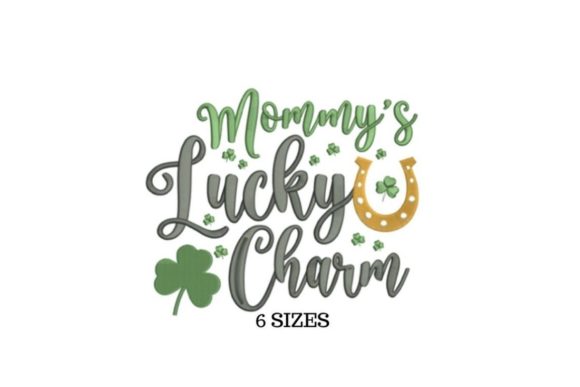
Mommy Lucky Charm: A Craft Fair Seller’s Review
As an embroidery designer who has spent countless weekends behind a booth table, I know that not every machine embroidery design is created equal. Some are beautiful on screen but vanish in person; others are so dense they pucker the fabric before you even finish the first hoop. When I pulled up the Mommy Lucky Charm file to evaluate it for my upcoming spring lineup, I was looking for more than just cuteness. I was looking for a reliable craft fair product that could drive sales during the busy St. Patrick’s Day rush.
The premise of this design is simple yet effective: an adorable motif intended to celebrate the holiday while appealing to the massive market of new parents and gift-givers. In the world of handmade product creation, simplicity often sells better than complexity because it reads clearly from a distance. Let’s break down how this design performs in a real-world retail environment.
First Impressions and Visual Appeal
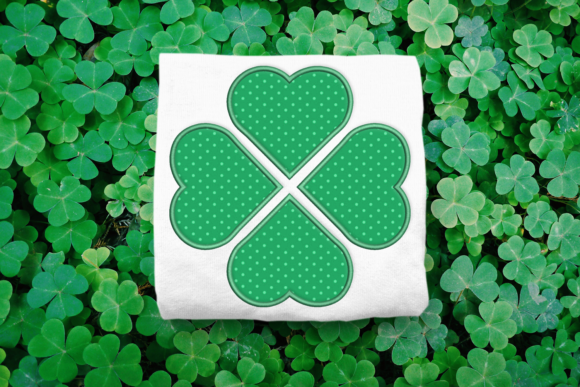
The immediate vibe of Mommy Lucky Charm is soft, festive, and undeniably cute. It does not try to be overly rustic or aggressively modern; instead, it sits comfortably in that sweet spot of traditional holiday charm. For a craft fair seller, this is crucial. Your booth needs to communicate its theme within seconds. A design that screams "St. Patrick's Day" without relying on cliché, harsh graphics allows you to create a cohesive, inviting display.
When evaluating the visual weight, this design feels balanced. It is not so large that it dominates a small item, nor so tiny that it gets lost on a tote bag. This versatility is key for batch production. If you are an Etsy seller or a boutique maker, you need assets that can pivot across different product lines. The aesthetic suggests a high perceived value, making it suitable for premium pricing if paired with quality materials.
Product Applications and Market Fit
To truly test the viability of any digital embroidery file, you must imagine it on various substrates. Here is where Mommy Lucky Charm shines as a versatile asset for your inventory.
- Tote Bags and Market Bags: This is arguably the strongest application. A canvas tote bag design featuring this charm becomes an instant impulse buy. The flat surface of a tote allows the stitches to lay perfectly, ensuring the design remains crisp and legible from across the aisle.
- Apron Embroidery: For the home cook or the crafting mom, an apron with this motif is a thoughtful gift. The placement on the bib or pocket area works well, provided you check the hoop size compatibility with your machine.
- Tea Towel Embroidery: Kitchen linens are staple sellers. However, you must be cautious with fabric texture. A waffle-weave towel might distort the finer details, so opt for smooth flour sack towels to maintain the integrity of the stitch work.
- Embroidered Patches: Creating iron-on or sew-on patches is a fantastic way to use up scrap fabric. An embroidered patch with this design allows customers to customize their own jackets or bags, adding an interactive element to your booth.
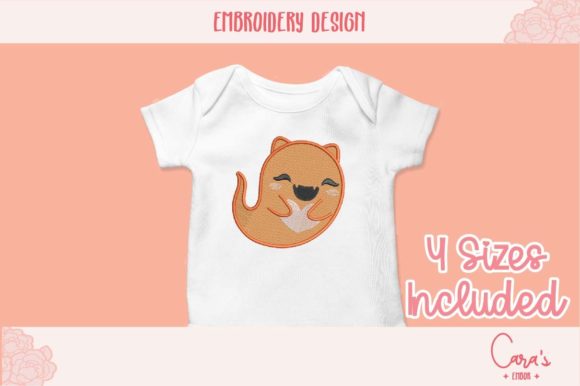
- Baby Clothes and Onesies: As the description suggests, this is perfect for baby items. Soft knits require careful attention to stabilizer choice to prevent stretching, but the result is a high-margin small shop product that parents love.
Production Practicality for Busy Makers
Time is money, especially when preparing for a weekend market. One of the biggest advantages of Mommy Lucky Charm is its potential for repeatability. Because the design appears to avoid excessive micro-details, it is likely faster to stitch than intricate floral patterns. This means you can produce more units in less time, increasing your profit margin per hour.
Photography is another critical factor. In online listings, clarity is king. This design photographs well because it likely uses distinct thread colors that contrast nicely against common fabric choices like white, cream, or pastel green. When creating a printable mockup for your social media or Etsy store, ensure you highlight the texture of the stitches. Buyers want to see the quality of the finished product, and good lighting on this design will emphasize that handmade touch.
Navigating Technical Challenges
While the design is adorable, professional judgment requires us to look for potential pitfalls. Here are some careful-use notes to consider before you start mass production:
- Dense Stitch Areas: Check the density map in your embroidery software. If there are heavy fill areas, ensure you are using a cut-away stabilizer for stretchy fabrics like t-shirts or onesies to prevent puckering.
- Small Lettering and Details: If the design includes text or tiny shamrocks, test it at smaller sizes. What looks good on a pillow cover might become a blob on a small pouch. Always do a test run on scrap fabric identical to your final material.
- Curved Surfaces: Embroidering on caps or curved pouches requires experience. The design should be centered carefully to avoid distortion. If you are new to cap embroidery, stick to flat goods like tea towels and totes first.
- Dark Fabric Contrast: If you plan to offer this on navy or black items, you may need to adjust thread colors or add an underlay to ensure the design pops. Poor contrast kills sales.
Boosting Brand Consistency and Engagement
Using a cohesive set of design assets like Mommy Lucky Charm helps build brand recognition. If customers see this specific style of embroidery across your tote bags, pillows, and patches, they begin to associate that aesthetic with your brand. This consistency builds trust and encourages repeat business.
Furthermore, this design drives buyer engagement. It is conversational. People stop at booths to comment on cute baby items or festive decor. By having this design prominently displayed on a eye-catching item like a bright green tote or a soft white pillow, you create a natural opening to talk to potential customers about your process, your materials, and your other offerings.
Final Designer Notes and Licensing
Before you commit to producing hundreds of units, remember the golden rules of commercial embroidery. First, always verify the license terms included with your embroidery file. Ensure you have the right to sell finished products made with this design. Second, confirm the available formats. The description mentions multiple file formats, which is excellent for compatibility with various machines, but double-check that your specific machine can read the provided extension.
Finally, create at least one real-life mockup. Digital previews can be deceiving. Stitch out Mommy Lucky Charm on the exact fabric you intend to sell. Check the tension, trim the jumps, and press it properly. If it looks premium in your hand, it will sell premium in your shop.
In conclusion, Mommy Lucky Charm is a strong contender for your St. Patrick’s Day collection. It balances festive appeal with practical production needs, making it an ideal choice for both novice and experienced makers looking to boost their craft fair revenue. With careful attention to fabric choice and stabilizer, this design can become a standout bestseller in your handmade lineup.