Happy Frog: A Designer’s Review for Real Projects
As a designer who spends more time staring at stitch maps than actual fabric, I have learned that the difference between a cute digital preview and a successful finished product often comes down to practical execution. When I first pulled up the Happy Frog machine embroidery design, my initial reaction was one of cautious optimism. The character has a distinct personality—whimsical, approachable, and undeniably cheerful. But charm alone does not sell handmade products; technical reliability does. I evaluated this Animals themed Embroidery asset not just for its visual appeal, but for how it would hold up in the real world of client orders, craft fairs, and daily wear.
First Impressions and Visual Personality
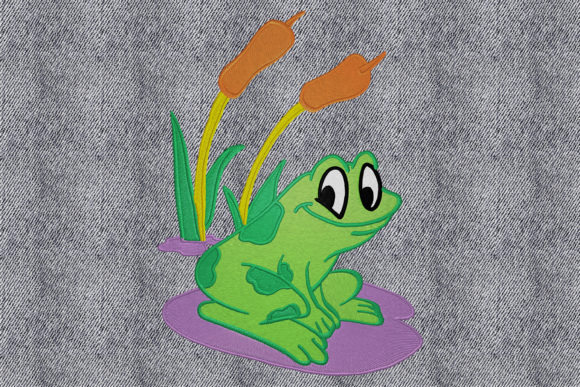
The layout of Happy Frog strikes a balance between simplicity and detail. It avoids the trap of being too generic, which is crucial when you are trying to stand out as an Etsy seller or boutique owner. The shape is organic, suggesting a playful movement that feels alive rather than static. For a designer, this is a strong starting point because it translates well across various mediums. It does not rely on overly complex shading that might get lost in lower-quality threads, nor is it so sparse that it looks unfinished on textured materials.
The mood is inherently positive. This makes it a versatile candidate for a wide range of design assets. Whether you are creating a personalized gift for a child’s birthday or adding a touch of humor to adult custom apparel, the frog’s expression invites engagement. In a market saturated with standard floral and geometric patterns, a character-driven design like this can serve as a signature element for your brand, helping buyers remember your shop.
Real-World Application: The Tote Bag Test
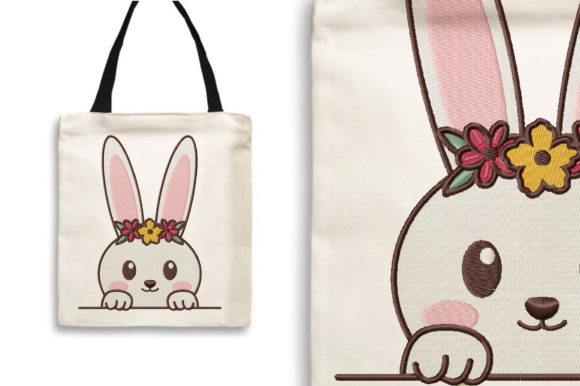
To truly understand the value of any digital embroidery file, I mentally simulate its application on specific goods. Let’s consider a canvas tote bag design. Canvas is a sturdy, slightly coarse fabric that can chew up delicate stitches if the density is wrong. Happy Frog appears robust enough to handle this texture. The broader areas of the design likely utilize fill stitch techniques that provide good coverage without becoming a stiff, cardboard-like patch on the fabric.
If I were producing this for a small spring collection, I would pair it with earthy thread colors—moss greens, slate blues, and warm browns. The contrast against natural cotton or linen creates a sophisticated, rustic aesthetic that appeals to eco-conscious consumers. It transforms a basic utility item into a small shop product with perceived higher value. The design scales well, meaning it can be centered prominently on a tote or shrunk down for a subtle pocket accent on a denim jacket.
Apparel and Wearability
Moving from accessories to clothing, sweatshirt embroidery presents different challenges. Knit fabrics stretch, and heavy designs can cause puckering. Here, the open spaces in the frog’s design work in your favor. By not over-saturating the fabric with stitches, you maintain the garment's drape and comfort. This is critical for baby embroidery projects as well, where softness against sensitive skin is non-negotiable. A Happy Frog patched onto a onesie or a toddler’s hoodie becomes an instant heirloom piece, provided the backing is handled correctly.
For holiday embroidery or seasonal gifts, this design is adaptable. With a simple change of thread palette—perhaps adding a Santa hat element if the license allows for modification, or just using red and green threads—it fits perfectly into Christmas markets. Its versatility extends to embroidered patch creation, where it can be stitched out on twill, cut, and ironed onto hats or backpacks, offering a low-risk way for customers to try your style.
Technical Considerations and Stitching Clarity
While the aesthetic is strong, we must discuss the mechanics. The description notes that this machine embroidery design comes with multiple embroidery file formats. This is a vital feature for professional use, ensuring compatibility with various machine brands. However, since specific stitch counts and exact hoop size requirements are not detailed in the brief, I strongly advise downloading the trial or checking the specifications before committing to a large production run.
Stitch density is the silent killer of many projects. If the Happy Frog design uses dense satin stitch borders around the eyes or mouth, you must ensure your stabilizer is up to the task. On thin fabrics like jersey or silk, a heavy satin border can pull and distort the material. I recommend testing on scrap fabric first. Check how the running stitch underlays perform; they should anchor the design without adding unnecessary bulk.
Another critical factor is thread colors. The design’s clarity depends heavily on contrast. If you stitch a light green frog on a dark navy sweatshirt, ensure the outline is distinct. Sometimes, a slight change in shade can make the details pop or disappear entirely. I always test my designs in black and white mockups to verify that the silhouette remains recognizable even without color information. This ensures your printable mockup listings accurately represent the final look.
Navigating Fabric and Hoop Constraints
Not every surface is ideal for every design. While Happy Frog is versatile, there are limits. Curved surfaces like caps require careful hooping. If the design is too wide, it may not fit standard cap frames without distortion. Similarly, textured fabrics like terry cloth towels can swallow fine details. If the frog has intricate facial features, they might get lost in the loops of the towel. In such cases, consider using a topping stabilizer to keep the stitches on the surface.
For commercial embroidery projects involving frequent washing, durability is key. Ensure that the jump stitches are trimmed cleanly and that the start/stop points are secure. A loose thread on a customer’s pillow cover can lead to unraveling and negative reviews. The quality of the applique design elements, if any are included or if you choose to adapt it into one, must be scrutinized for raw edge finishing versus turned edges, depending on the desired lifespan of the item.
Building Trust and Brand Consistency
Ultimately, using a high-quality design like Happy Frog is about building trust. When a customer receives a personalized gift that looks professional, clean, and well-executed, they return. They tell their friends. Your choice of design assets reflects your standards. A sloppy stitch-out suggests carelessness; a crisp, well-balanced frog suggests expertise.
For creative entrepreneurs, this means consistency. If Happy Frog fits your brand’s whimsical, nature-loving vibe, use it across your marketing. Feature it in your social media posts showing the stitching process. Show the back of the hoop to demonstrate your neat finishing. These small details convince buyers that your craft business is professional and reliable.
Final Verdict for Makers
Before you purchase or download, confirm the licensing terms. Can you sell finished items? Are there restrictions on quantity? These legalities are as important as the stitch quality. Assuming the license permits commercial use, Happy Frog is a solid addition to your library. It offers the flexibility needed for diverse embroidery project types, from kitchen towel accents to branded apron designs.
Remember to check the hoop size compatibility with your machine. Verify that the file formats match your software. And most importantly, stitch it out. Feel the texture. See how the light hits the threads. Only through physical testing can you truly judge if Happy Frog is the right fit for your next big idea. In the world of handmade goods, authenticity and quality are your greatest currencies, and a well-chosen design is the foundation of both.