Axe with Tree Stump Sketch: A Designer’s Review
As an embroidery designer who has spent countless weekends behind a folding table at local craft fairs, I have learned that not every design translates equally well from screen to sales. When I first loaded the Axe with Tree Stump Sketch into my digitizing software, I was looking for more than just aesthetic appeal. I was looking for a workhorse design—something that could anchor a product line, catch the eye of a passerby, and stitch out reliably in high volumes. This review breaks down why this specific machine embroidery design is a standout choice for handmade market products, particularly for those targeting the rustic, outdoorsy, or farmhouse demographic.
First Impressions: Rustic Charm Meets Modern Simplicity
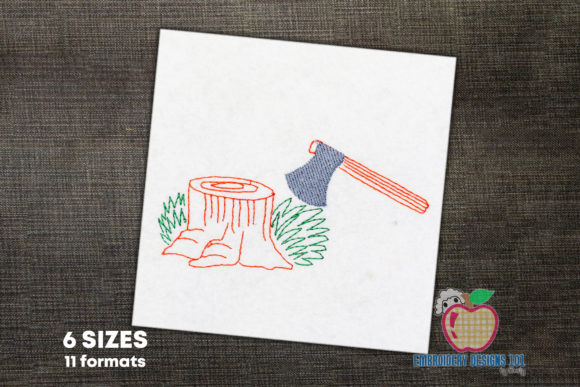
The immediate vibe of the Axe with Tree Stump Sketch is undeniably rustic yet approachable. It does not try to be overly complex or photorealistic. Instead, it leans into a sketch-style aesthetic that feels hand-drawn and organic. For a Forest-themed collection, this is crucial. Customers at craft fairs are often overwhelmed by dense, heavy designs that look stiff. This design, however, breathes. The description notes that it is "not 100% filled," meaning the fabric remains visible through the stitches. This intentional negative space is a major selling point. It gives the finished product a lighter, more premium feel, avoiding the cardboard-like stiffness that plagues many amateur embroidered items.
From a branding perspective, this design screams "authentic." It fits perfectly into the current trend of minimalist outdoor decor. Whether you are an Etsy seller curating a cabin-core shop or a boutique maker creating gifts for dads and outdoorsmen, this image communicates adventure and craftsmanship without shouting. It is bold enough to be seen from three feet away but detailed enough to invite closer inspection.
Product Versatility: Where This Design Shines
The true test of any digital embroidery file is its versatility. Can it survive on a curved cap? Does it get lost on a busy towel? Here is how the Axe with Tree Stump Sketch performs across various small shop products:
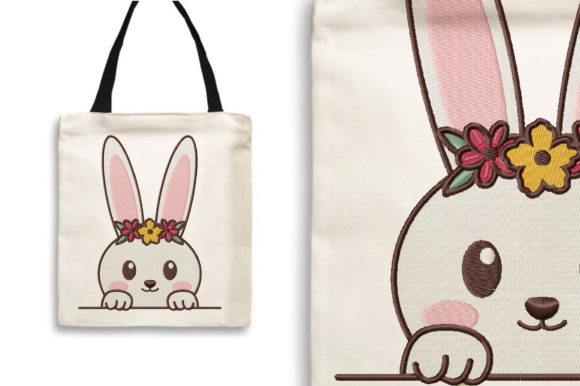
- Tote Bags and Market Bags: This is arguably the best application for this design. The open stitch structure allows the natural texture of canvas or cotton tote bags to show through, enhancing the handmade quality. It serves as a perfect focal point for a reusable grocery bag or a library book tote.
- Tea Towels and Kitchen Linens: Because the design is not densely packed, it drapes beautifully on linen or flour sack towels. Heavy designs often pucker thin fabrics, but this sketch style lays flat, making it an ideal tea towel embroidery choice for housewarming gifts.
- Aprons: For a craft fair booth, wearing your own merchandise is the best marketing. An apron featuring this axe motif instantly signals your brand’s aesthetic. It works well on the bib or the lower pocket, adding a touch of rugged elegance to a functional item.
- Embroidered Patches: If you offer custom patches, this design scales down surprisingly well. The clear outlines of the axe and stump remain distinct even at smaller sizes, provided you use a tight satin border or merrowed edge.
- Caps and Hats: While possible, caps require caution. The curved surface can distort wide designs. However, since this is a sketch style, minor distortion is less noticeable than in filled designs. It works best on the side panel or as a smaller center-front element.
Production Efficiency for Craft Fair Sellers
Time is money when you are preparing for a weekend market. One of the strongest attributes of the Axe with Tree Stump Sketch is its efficiency. The description highlights that it is a "Quick Stitch" design. For a production environment, this is gold. Lower stitch counts mean less thread usage, fewer bobbin changes, and faster turnaround times. You can batch-produce twenty tote bags in the time it might take to stitch five heavily saturated designs.
Furthermore, the "sketch" nature of the design forgives minor tension issues. In a high-pressure production run, perfect tension on every single stitch is difficult to maintain. Designs with open spaces and running stitches are far more forgiving than dense fills, which highlight every imperfection. This makes it an excellent choice for beginners or seasoned pros looking to maximize output without sacrificing perceived quality.
Visual Appeal and Customer Engagement
In a crowded craft fair aisle, visual clarity is key. Customers scan tables quickly. The high contrast of the axe against the tree stump creates an instant recognizable silhouette. It tells a story immediately: wood chopping, camping, cozy cabins. This emotional connection drives impulse buys. When paired with the right thread colors—such as earthy browns, forest greens, or charcoal greys—the design becomes a cohesive part of a larger Forest-themed display. It encourages buyers to imagine the item in their own homes, increasing the likelihood of a sale.
Practical Designer Notes and Careful Use
While this design is user-friendly, professional results require attention to detail. Before you list this as a commercial embroidery product or sell the finished goods, consider these technical factors:
- Fabric Texture and Color: Since the fabric shows through the stitches, your base material matters immensely. A creamy natural cotton will give a soft, vintage look, while a stark white poly-cotton blend will look modern and crisp. Avoid using this design on dark fabrics unless you are confident in your underlay stitching, as the open areas may reveal the dark background too prominently, reducing visibility.
- Stabilizer Selection: Even with low stitch density, stabilization is non-negotiable. Use a cut-away stabilizer for stretchy fabrics like t-shirts and a tear-away for stable wovens like tote bags. This ensures the sketch lines remain crisp and do not warp after washing.
- Thread Contrast: Choose thread colors that contrast sufficiently with your fabric. A light grey thread on a white towel will vanish. Test your thread combinations on scrap fabric first. The goal is to let the "sketch" lines pop.
- Hoop Size and Placement: Always confirm the hoop size required by the specific file format you purchase. Centering is critical for symmetry, especially with an object like an axe. Off-center stitching is immediately noticeable to customers and devalues the handmade product.
- Licensing: If you are an Etsy seller or digital seller, ensure you understand the license terms. Most designers allow selling finished physical products but restrict the resale of the digital embroidery file itself. Always check the specific terms included with your download.
Final Verdict for Handmade Entrepreneurs
The Axe with Tree Stump Sketch is more than just a cute graphic; it is a strategic asset for your embroidery business. It bridges the gap between artistic flair and production practicality. For craft fair sellers, it offers a quick-stitch solution that looks high-end due to its intentional use of negative space. For online sellers, it photographs beautifully, creating clean, attractive printable mockup opportunities that drive clicks.
By integrating this design into your lineup of tote bags, aprons, and home goods, you create a consistent, rustic brand identity that resonates with today’s buyers. It is simple, effective, and undeniably charming. Just remember to test on your specific fabrics, choose your stabilizer wisely, and let the natural texture of your materials enhance the sketch-style aesthetic. This design is ready to work as hard as you do.